Disappointment

When I was younger I was easily angered by our species neglect and destruction of the earth and nature. It was a source of political debate and protest. Now a deep sadness comes, not merely for the bits of nature damaged or lost, but for humanity’s spirit that is damaged and lost, as well.

Images from a Train: Vacancy

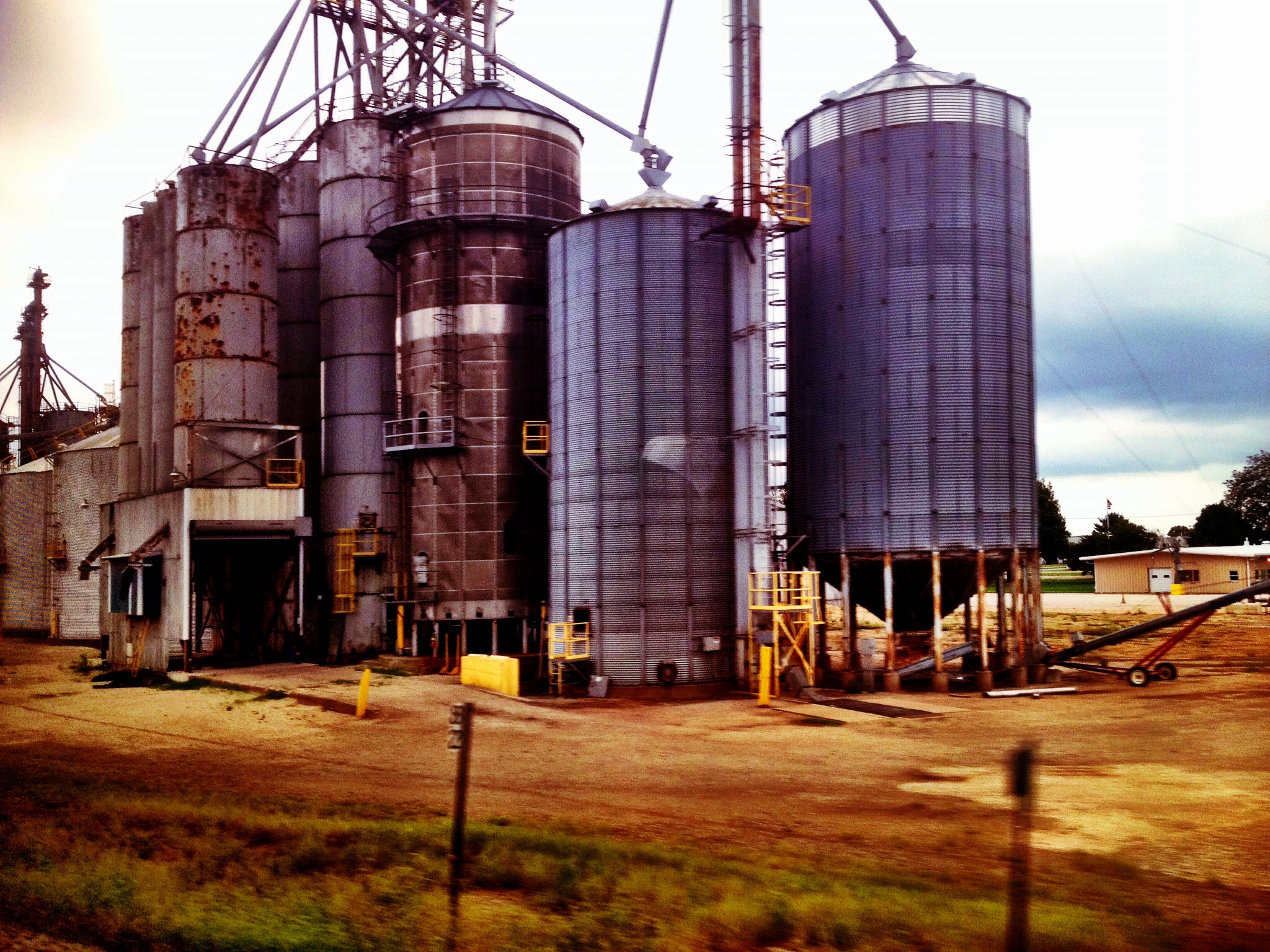
Vacant were the eyes that stared back at me from rotting sills. A wave of isolation and loneliness pervaded my thinking and I pulled back a bit from the train window. I felt the desertion like oil seeping from toxic barrels sinking into my chest. Small town death, I mused and the end of the family farm.

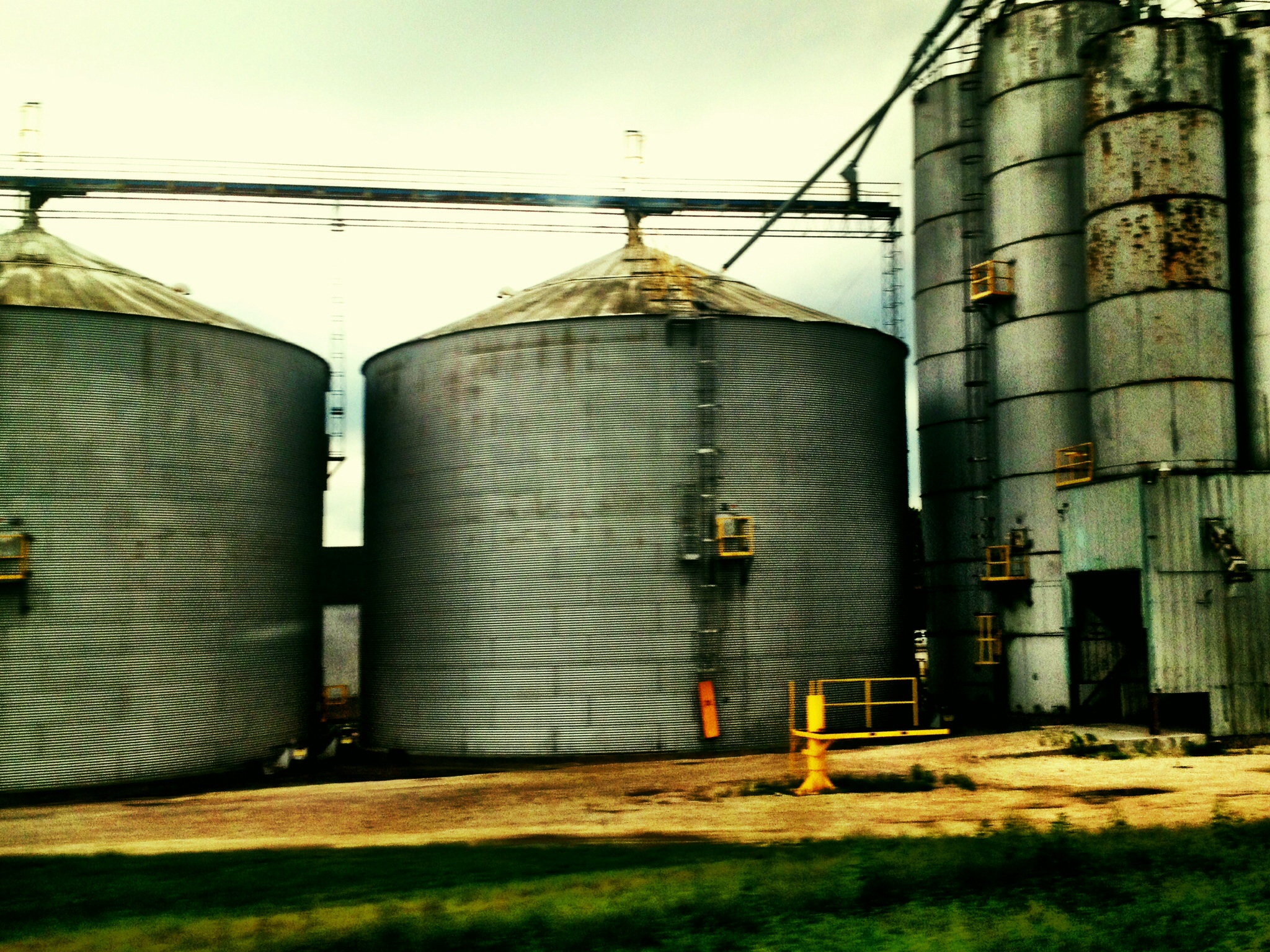
Then the briefest flutter of something at the top window of a grain elevator caught my eye and the thought of a barn owl nesting in the eaves came to mind. How easily this lead to the sound of mice squeaking below the warped floor boards and the pondering of a raccoon sleeping atop an air vent. Bees work to winter in a broken tractor engine, as geese munched on the grasses growing from past year’s feed. My inner vision shifted, just a hair, and I looked more closely as the peeling paint rusting pipes. Something about the decay creating a curious beauty that was consuming all that passed before me.

I see now it was my own isolation and loneliness that I saw in the darkened windows. It was my own decay that pervaded my thoughts. As the pigeons left the rooftop of the silo and squirrels darted along the fence of the abandoned feed lot, I saw it was not life that was missing from these places, it was fear of death that was haunting me.

Images from a Train: Train Yards

Passing through the loading areas of train yards is a bit like passing through a graveyard. Stories that once were, now wrappers blowing between empty coal cars. I wonder who comes to work in these lonely spots? Who sponges the graffiti and loads the tankers? Nothing moves upon the gaveled lots and so much seems left in shadow.

We all travel in circles of others. People who are connected to us by locale, family, religion, and work. When I look out the window of the train I see many lives I have no association with. Hands covered in train grease and punch clocks that mark their hours. A hundred years ago we lived in towns where we knew everyone and what most people did. I look out at these yards of old train cars and filling stations and wonder are there really ghosts moving between the rails? Is there nothing in the shadows or do I simply lack the eyes to see?

Images from a Train: Sunset in the Farmland

The sunset rolled in on long lines and parallel shafts of deepening orange. The clicking of the rails, with the steady rocking, left my limbs heavy in the seat. Tracters were rolling toward the barns outside my window and the swallows had taken up vigil on telephone lines. At day’s end even the birds know it is best to simply sit and witness.

Images from a Train: Omaha

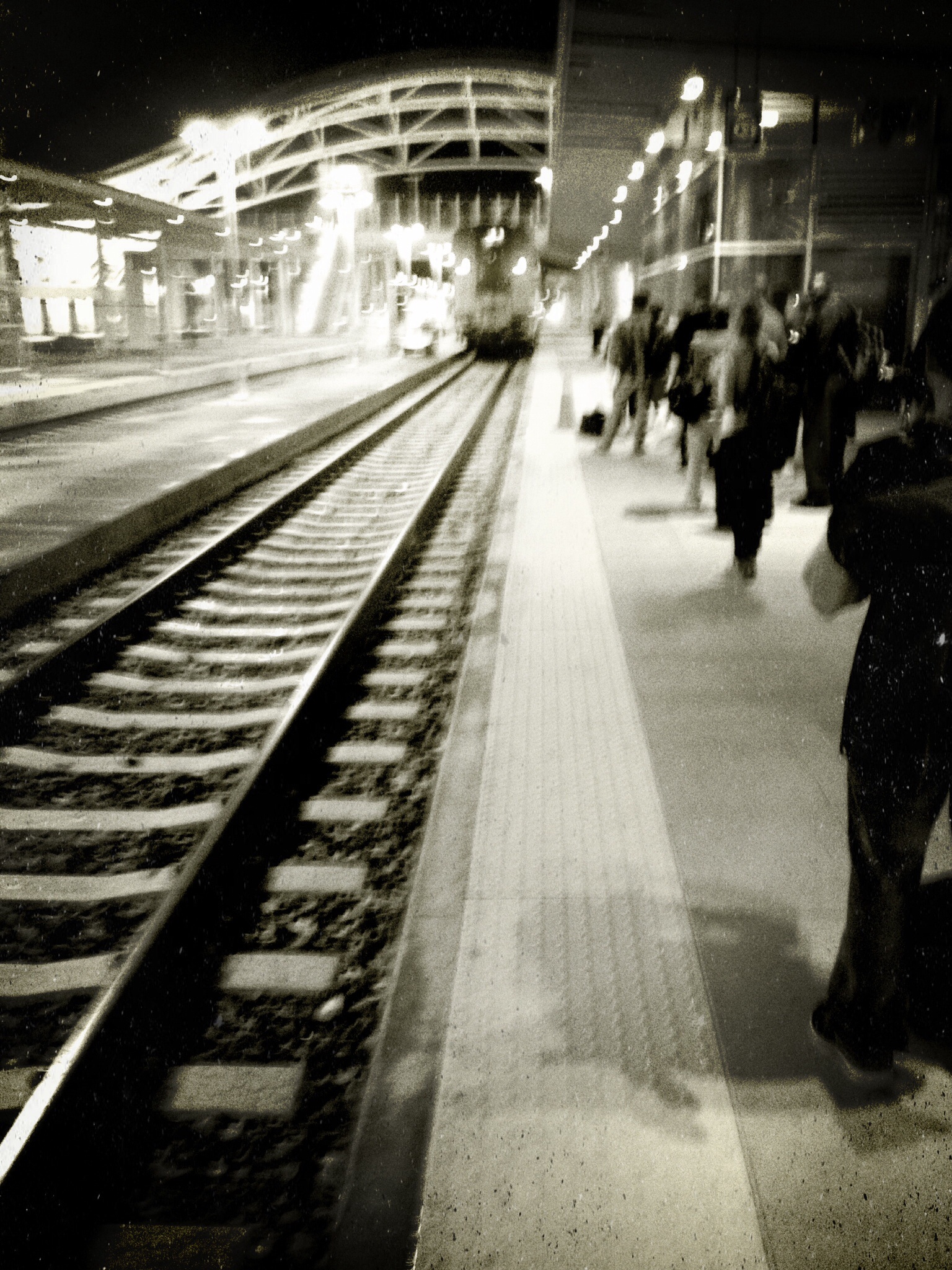
We arrived at daybreak into Omaha. The station is under construction and there are pieces of its past and future, arising together, before the platform. Sleep came late, but the sun was welcome. Coffee wafted down the corridor from the dining car and few were up yet. Feet and arms littered the aisles as I slipped from the car to the fresh air of the platform. The stone and masonry were still wet from the night’s dew and the conductor pulled tight his coat. Passengers lit up for this brief stop and the long rays of the sun caught the smoke rising, as I turned to walk the station.

As I look at the images now, I wonder at all I did not photograph. Pieces of time and movement that still drift upon my mind, as if the cars were still moving in my head.

Images from a Train: Motion

In the distortions and flashes I see my image. The bridge of my nose another geometry in a flashing landscape. Coal has already passed on the previous cars – strapped lumber, too. The rails are one of the few places in the country where a passenger goes last. Passenger trains stop for all the cargo that moves. Milk and oil tankers, flatbeds of slate and shale and bales of grasses for cattle lands. Graffiti is a color smear against the gun metal.

My reflection comes and goes between the cars and I realize this is true of all of me. I am what exists between each thought, as life exists, flashing between each car.

Little Girl Swirling

I attended my cousin Brent’s wedding in Chicago. This was the flower girl. I never got her name. She danced and twirled loving the feel of her dress and the power of her boots. When you are five everything goes together, because it’s never about the appearance, as how good you feel when you see yourself in it. So if you feel good about the dress and you feel good about the boots, well then, they must go together.

Boys, I’m sure, have their own thing, but for little girls it’s all about the dress. When I was her age I had a chocolate brown satin and velvet dress for special occasions. I wore it with black, patten leather Mary Janes. The skirt twirled deliciously when I spun. I’d stand in my parent’s bedroom where there was a full length mirror and dance and pose at myself. I wonder sometimes how it is we lose pleasure in our own beauty. As children it comes so naturally, but then as we age, we seem to forget. Maybe it’s the dress. Lose the swirling skirt and you lose your way. You lose the ability to be carefree and dance about for no other reason than it just feels good.

I watched her for sometime. It’s hard to turn away from that sort of magic.

Images from a Train: Silos

image

Silos of the Heartland: Photos by Noelle

Silos of the Heartland: Photos by Noelle

image

Worlds great and small rise and decay along the tracks. Underbellies of mediocre villages and hard edges of factories share the same trail. Worn and haggard becomes beautiful, in a countryside of weathered barns, while never enticing anyone closer. Haunting are silos abandoned while compelling to even the dullest mind to look more closely.

Heather and golden rod litter the edges of hundreds of fields, rich in the green of cornstalks and soy. Yellow are the elder stalks from earlier harvests ready for the straw-men of autumn, while bales for the harvested fields already line the lanes. The clacking of the train cars shifts as the train makes its turn heading north past the width of the Great Mississippi. Muddy spillage pours from drains as the floods of summer still fill its low banks. Barges and small crafts pass beneath the train bridge on their way to the deltas of Louisiana.

Ancient seems this story of fields and metal, floods and drought. Harvests come in that stave off the bankers and pays for the baler before summer’s out. Corn packs the pickups and soy to the moored barges to the south. An endless cycle of life and movement from field to mouth.

Night Train

image

image

The moonlight helps delineate the night earth from the night sky, as the train passes through the countryside. Sometimes Black-eyed Susans and bramble flicker against the thick glass, calling of the prairie unseen. Palsied shapes of trees form along the dusky horizon, seen by little more than the absence of stars. Closer, lone farm lights appear out of the inkiness, never casting much light into the thicker shadow, before they, too, are taken by the train’s flight. I listen to the horn blow as it comes to crossings or passes through small Midwestern towns. Rocking, rocking, a steady rocking, should put me to sleep, but my mind has yet to find the rhythm of slumber. Moths and night bugs expanding and contracting around a street light still lingers in my sight from the last stop. A single liquor store to accompany the jaundiced light on a dirt road. A set of stairs, but no platform to climb into the silver car and no crossing gates or ringing bells apparent. Only tail lights of a pickup truck disappearing into a field and our only passenger, a wisp of a girl with spindly legs vanishing off the stair into the car ahead. Oddly, it is the tail lights disappearing into what looked a cornfield and not the girl that still haunts me.

Faces loom in my cabin, sleeping or peering into devices, but no voice is heard down the aisles. We are together, all of us, and apart. I turn to watch the ghostly apparitions of silos, grain elevators and roadside churches come and go in the darkness. They, like my thoughts, are but a moment on a broader landscape horribly vague at this hour. A skunk or opossum slips beneath an oil tanker in a passing lot, but we are past it before I can be sure. Through the glass I see an eighteen wheeler full of cattle and wonder if it heads for the slaughter house, as exhaustion makes the mind melancholy. Passengers may sleep, but the moon slips between the clouds, keeping me company, as if it too, traveled the same tracks. I am comforted and left lonely on this midnight ride, Chicago hours off. So I write in the dim cabin light and listen to the horn blow, with miles of track to go.